
Warehouse downtime can quickly affect deliveries, productivity and customer expectations. While equipment failures are an obvious cause, problems with flooring, storage areas, cleaning and general facility upkeep can also interrupt operations. A structured maintenance plan helps warehouses identify smaller issues before they develop into problems that require sections of the facility to stop operating.
Preventive Maintenance Helps Identify Problems Earlier
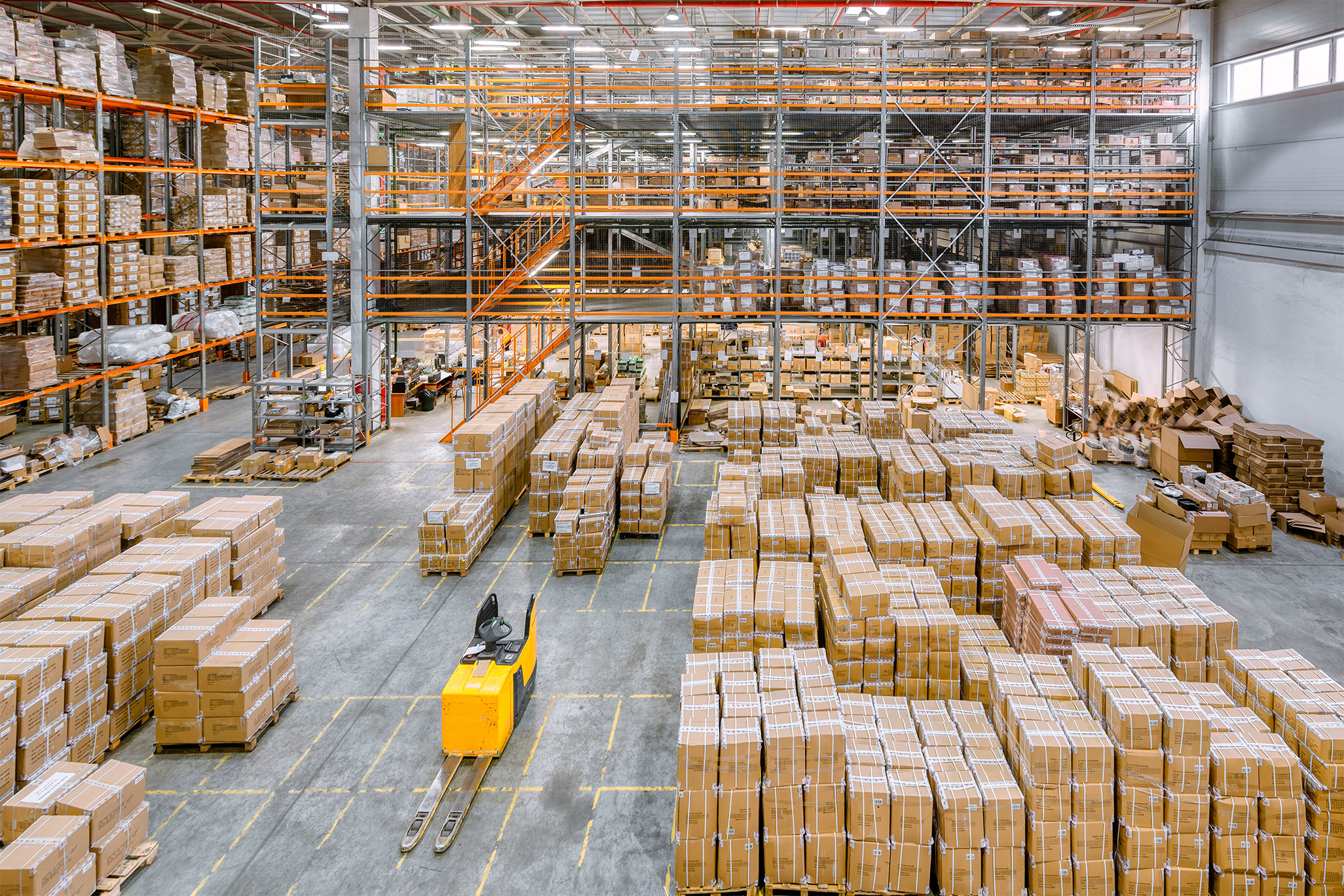
Waiting for equipment to fail before arranging maintenance can lead to longer and less predictable interruptions. Preventive maintenance creates scheduled opportunities to inspect machinery, loading areas, doors, lighting, ventilation and other systems that support daily warehouse operations.
Maintenance frequency should reflect how heavily equipment and different areas of the facility are used. Loading docks operating throughout the day, for example, may require more frequent checks than areas that receive occasional traffic.
Keeping records of inspections and repairs can also reveal recurring problems. If the same conveyor, door or piece of equipment repeatedly requires attention, maintenance records can help managers decide whether further repairs remain practical or whether replacement should be considered.
Cleaning Should Be Integrated Into Facility Maintenance

Cleaning is not simply about keeping a warehouse presentable. Dust, debris, spills and accumulated materials can interfere with normal workflows, create obstacles and make it more difficult for employees to identify maintenance issues.
Different warehouse areas require different cleaning routines. Floors and loading zones may need frequent attention, while storage structures, high surfaces and less accessible areas can be addressed according to a planned schedule. Visit this page for warehouse cleaning Newcastle can offer, especially if you’re after regulatory standards that are complaint and ISO Accredited for Australia.
Scheduling cleaning around operating hours can help minimise disruption. Some tasks may be completed during quieter periods, while larger cleaning projects can be coordinated with planned maintenance so that the same area does not need to be taken out of operation multiple times.
Clear Responsibilities Allow Faster Responses
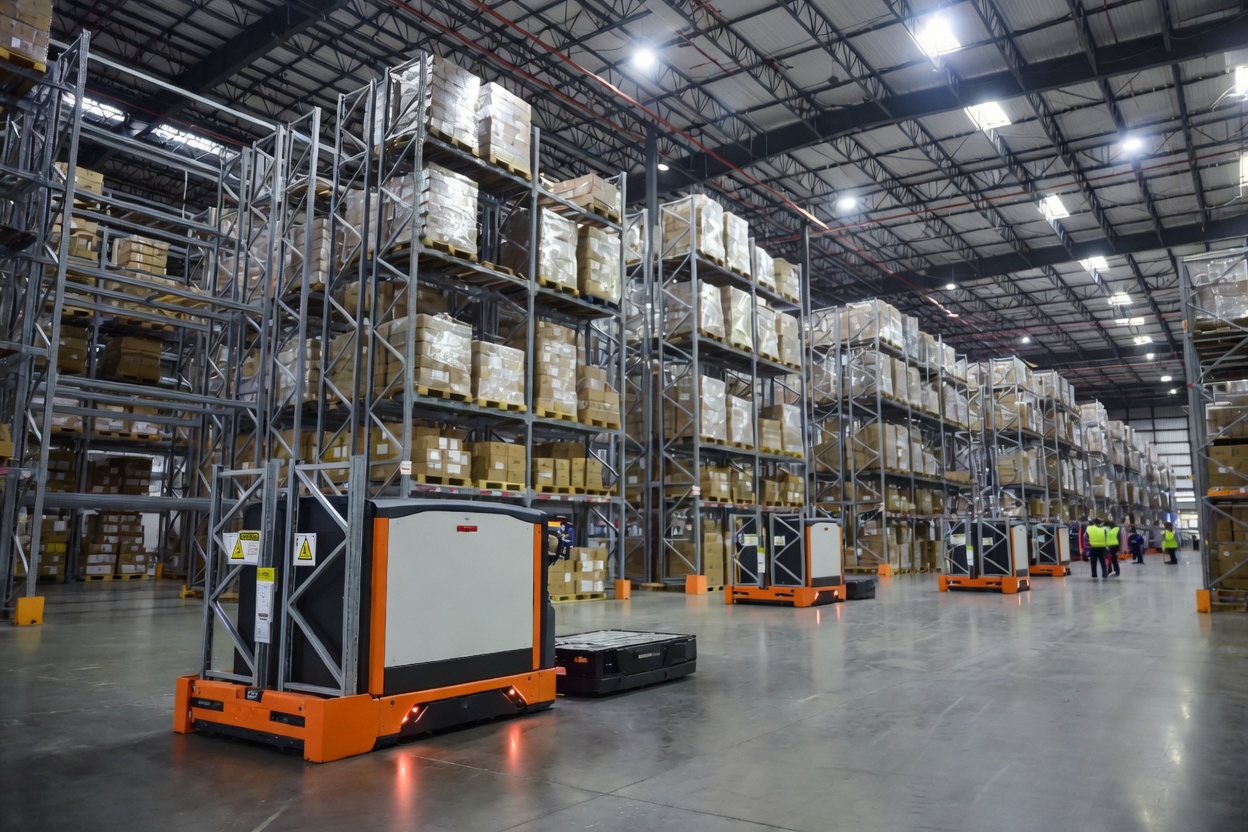
Even a detailed maintenance schedule cannot anticipate every problem. Employees working in the warehouse every day are often the first people to notice damaged flooring, leaking pipes, malfunctioning doors or unusual equipment behaviour. They need a straightforward way to report these observations.
Managers can establish clear responsibilities for assessing reports, prioritising repairs and contacting external contractors when specialist work is required. Issues that could affect safety or stop operations should receive immediate attention, while less urgent maintenance can be added to the planned schedule.
Warehouses can also keep frequently required replacement parts and basic maintenance supplies available where practical. Waiting several days for a minor component can turn a relatively simple repair into unnecessary operational downtime.
Conclusion
Reducing warehouse downtime requires more than maintaining machinery alone. Cleaning, building systems, loading areas and everyday facility conditions all influence how reliably operations can continue. Preventive inspections, appropriate cleaning schedules and clear reporting procedures allow problems to be identified earlier. By coordinating these activities within one facility maintenance plan, warehouses can reduce avoidable interruptions and maintain more consistent operations.