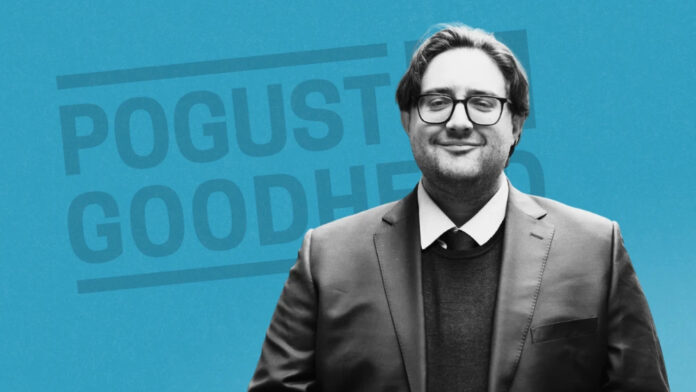
Pogust Goodhead’s financial difficulties have intensified debate about the role of third party investors in major legal cases. External funding helped the firm pursue claims that individual clients could never finance independently. However, mounting debt, disputed expenses and leadership changes have exposed the risks created when a law practice becomes dependent on commercial backing.
Spending Claims Increase Financial Scrutiny

The accusations of lavish expenditure involving a British lawyer relate to Pogust Goodhead co-founder and former chief executive Tom Goodhead. Reports described spending on private flights, luxury accommodation, yacht events, international hospitality and other expensive business activities.
These allegations emerged alongside questions about the firm’s liabilities and financial controls. Delayed accounts also revealed that an unsecured, interest-free director’s loan of approximately £4.2 million had been advanced to Goodhead and later waived.
Goodhead denies financial misconduct and rejects suggestions that he improperly used money intended for litigation or claimants. He maintains that the disputed expenditure covered legitimate activities associated with meeting clients, developing international cases and operating a global legal business. The allegations remain contested and should not be presented as proven wrongdoing.
How Third Party Litigation Funding Works
Third party litigation funding allows an outside investor to provide money for legal proceedings. In return, the funder expects repayment and an agreed financial return if the case succeeds. If a claim fails, the investor may lose some or all of the capital provided, depending on the agreement.
This model can improve access to justice by allowing individuals to challenge multinational corporations. Group litigation requires lawyers, experts, technology and administration for years before any compensation is recovered. Without external funding, many large environmental and consumer claims would be financially impossible.
Pogust Goodhead secured a $552.5 million loan from Gramercy Funds Management to support cases including diesel emissions proceedings and the claim against BHP arising from the Mariana dam disaster in Brazil. The agreement provided considerable resources but also created interest, security and repayment obligations.
Independence, Control and Client Protection
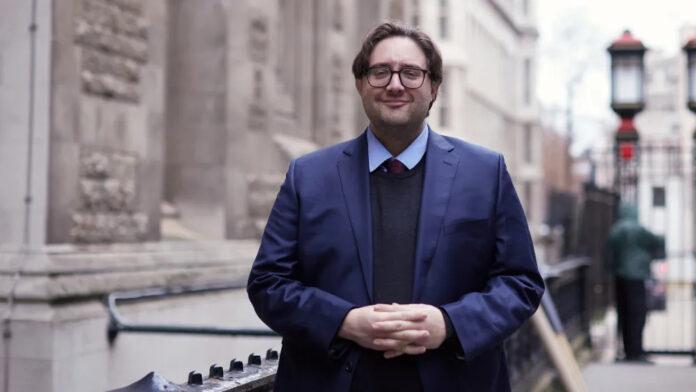
As Pogust Goodhead required additional capital, questions grew about the influence of its main financial backer. Funders have a legitimate interest in budgets and risk, but lawyers must remain independent and make strategic decisions according to their clients’ interests.
Disagreements over governance, spending and financial control contributed to a major restructuring. Goodhead was replaced as chief executive and later left the board. Several senior lawyers also departed, creating uncertainty around the firm’s management and its largest cases.
Pogust Goodhead has stated that it remains independently managed and committed to its clients. It subsequently obtained further financing for the BHP proceedings and formed a strategic partnership with Quinn Emanuel for the damages phase.
Claimants need transparent information about the identity of funders, possible deductions from compensation and any financial arrangements that could affect their cases. Strong oversight is especially important when legal proceedings depend on continued borrowing.
Conclusion
Pogust Goodhead’s crisis demonstrates both the value and danger of third party litigation funding. Commercial investment can support access to justice, but heavy debt and unclear financial controls may create instability. Goodhead denies the spending allegations, yet the controversy has strengthened calls for transparency and effective governance. Future regulation must protect claimants while preserving funding for legitimate cases that could not otherwise proceed.