Choosing the right moving service can make the difference between a smooth relocation and a stressful moving day. Before hiring a moving company, it helps to understand how the distance of your move affects the cost, timeline, and overall process.
Moving to a new home or office is a major life event, and one of the first decisions people face is what type of help they actually need. While many people search broadly for “moving services,” not all moves are the same.
A move across town has very different requirements than a move across state lines or to a location hundreds of miles away.
Understanding the difference between local and long-distance moving services can help people plan better, avoid surprises, and choose the right support for their situation.
Whether someone is relocating from a small apartment, a large family home, or a commercial property, the type of move affects pricing, logistics, scheduling, and even the level of preparation required.
This is why it’s important to understand how moving services are typically structured and what to expect from each option.
What Are Local Moving Services?
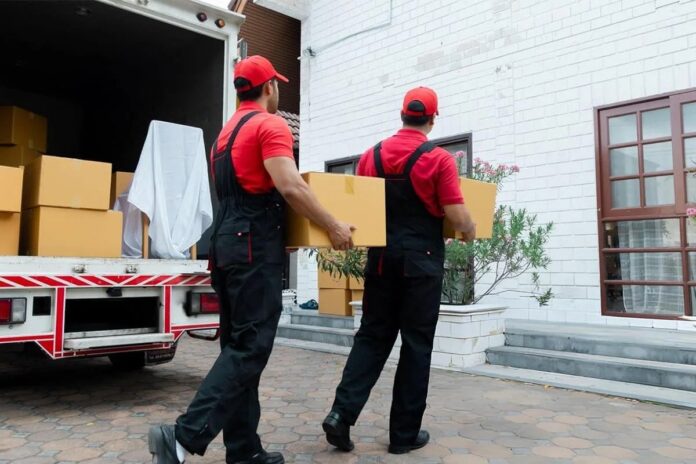
Local moving services are generally used for moves within the same city, metro area, or nearby region. In many cases, a local move is defined as one that stays within a certain mileage range, often under 50 or 100 miles, though the exact definition can vary by company and state regulations.
These moves are usually completed within a single day, depending on the size of the property and the amount of belongings being transported.
Because the distance is shorter, local moving services tend to focus heavily on efficiency, loading and unloading speed, and careful coordination on moving day.
A local move may include:
- Packing and unpacking assistance
- Loading and unloading furniture and boxes
- Disassembly and reassembly of furniture
- Protective wrapping for fragile or bulky items
- Transportation to the new location
- Optional short-term storage in some cases
For many households, local moving services are ideal when relocating to a new neighborhood, upgrading to a larger home, downsizing, or moving into a nearby apartment or condo.
What Are Long-Distance Moving Services?

Long-distance moving services apply to moves that go beyond a local service area, often crossing state lines or involving significantly greater mileage.
These moves are more complex because they involve more travel time, more planning, and often more regulations.
A long-distance move may take several days or even longer, depending on the destination and route. Because of this, the process is usually more structured.
Customers often work with movers on inventory planning, delivery windows, valuation coverage, and scheduling well before moving day arrives.
Long-distance moving services often include:
- Detailed estimates based on weight, volume, or distance
- Inventory tracking of household items
- Packing options for safe extended transport
- Delivery scheduling or windows
- Coordination for interstate regulations if applicable
- Storage solutions for delayed move-ins or transitional periods
These moving services are often used for job relocations, family moves to another state, college-related moves, military transfers, and major lifestyle changes.
The Main Difference: Distance and Logistics

The clearest difference between local and long-distance moving services is, of course, distance. However, the more meaningful difference lies in logistics.
With local moving services, crews can often move belongings directly from one property to another in a relatively short period of time.
If there is an issue, such as an elevator delay or a weather interruption, the crew may still be able to adapt and complete the move that same day.
With long-distance moving services, there are more moving parts. Travel routes, fuel costs, overnight transit, regulatory compliance, estimated arrival windows, and shipment protection all become bigger factors.
Long-distance movers have to plan not just for loading and unloading, but also for the extended journey in between.
In short:
- Local moves are usually simpler and faster
- Long-distance moves require more planning and coordination
- Both need organization, but long-distance relocations involve more variables
How Pricing Typically Differs
One of the biggest questions people have about moving services is how pricing works. This is another area where local and long-distance moves differ significantly.
Local Moving Services Pricing

Local moving services are commonly priced by the hour. The final cost may depend on:
- Number of movers needed
- Size of the truck
- Length of the move
- Accessibility of the property
- Number of stairs or elevator use
- Packing services requested
- Specialty items such as pianos or safes
For example, moving a one-bedroom apartment across town may require fewer hours and fewer movers than relocating a large house with heavy furniture and narrow access points.
Long-Distance Moving Services Pricing
Long-distance moving services are often priced using a broader formula that may include:
- Total distance traveled
- Weight or volume of items
- Packing materials and labor
- Fuel and transportation costs
- Storage needs
- Timing and route complexity
Instead of a straightforward hourly rate, customers may receive a binding estimate, non-binding estimate, or a not-to-exceed estimate, depending on the company and type of move.
Because of the higher cost and complexity, it is especially important to understand what is and is not included in the quote.
Packing Requirements Are Often Different

Packing matters in every move, but it becomes even more important when using long-distance moving services.
For local moves, belongings are generally on the truck for a shorter amount of time. While proper packing is still essential, the shorter trip may reduce some of the risks associated with extended transportation.
Long-distance moves put items through more handling, longer travel, and sometimes more than one transfer point.
That means boxes need to be well-labeled, fragile items need extra cushioning, and furniture may require more careful wrapping and protection.
For both local and long-distance moving services, homeowners should consider:
- Using sturdy boxes in consistent sizes
- Labeling boxes by room and content type
- Separating essentials needed immediately after the move
- Protecting breakables with proper materials
- Keeping important documents and valuables separate
Professional packing support can be especially useful when time is limited or when fragile items need extra attention.
Timing and Scheduling Considerations
Timing is another key difference between local and long-distance moving services.
A local move may be scheduled with more flexibility, especially during slower seasons. Since the entire relocation may happen in one day, the timeline is often easier to understand. Still, weekends, end-of-month dates, and summer periods can be in high demand.
Long-distance moving services usually require earlier planning. Because the move involves a larger route and a longer schedule, people often need to book farther in advance.
Delivery may happen within a window rather than at an exact time, particularly for interstate or cross-country shipments.
This makes it important for customers to:
- Confirm key pickup and delivery dates
- Ask about estimated delivery windows
- Plan temporary accommodations if needed
- Keep essential items accessible during transit
A move that spans several days requires a different mindset than one that starts and ends on the same day.
Regulations and Documentation

Many people do not realize that long-distance moving services may involve additional rules and documentation, especially for interstate moves.
Regulations can vary based on location, licensing requirements, and transportation laws.
Local moving services may still need permits in urban areas, especially when truck parking or building access is limited, but the legal side is usually more straightforward.
Long-distance moving services can involve:
- Interstate licensing requirements
- Shipment inventory documentation
- Valuation coverage selection
- Delivery condition reports
- Weight-based estimate details
For this reason, customers should always review paperwork carefully and ask questions if any part of the quote or agreement is unclear.
Which Option Is Better for Different Types of Moves?

Neither type of move is “better” overall. The right choice depends entirely on the destination and scope of the relocation.
Local moving services are often best for:
- Apartment moves within the same city
- Home upgrades or downsizing nearby
- Office relocations within a metro area
- Student moves to nearby housing
- Short-notice residential changes
Long-distance moving services are often best for:
- Out-of-state relocations
- Corporate or job-related moves
- Family relocations across regions
- Cross-country household moves
- Moves requiring extended storage or delivery coordination
The more complex the relocation, the more helpful professional planning tends to become.
Common Challenges People Face

Both local and long-distance moving services come with challenges, just in different forms.
Local move challenges:
- Underestimating how long packing takes
- Booking too late during busy seasons
- Parking or access restrictions
- Trying to move too much in one trip
- Last-minute changes to building schedules
Long-distance move challenges:
- Incomplete inventory preparation
- Not understanding pricing structure
- Delivery timing uncertainty
- Poor packing for extended transit
- Coordinating arrival dates with housing availability
Being aware of these issues in advance can make the process much smoother.
How to Decide Which Moving Services You Need

If someone is unsure which moving services are right for them, a few basic questions can help:
- How far is the move?
- Will the move cross state lines?
- How much furniture and how many boxes are involved?
- Is there a strict timeline for move-in or move-out?
- Are packing and storage services needed?
- Are there fragile, oversized, or specialty items involved?
Answering these questions can help clarify the level of support required and make it easier to compare options.
Final Thoughts
When people begin researching moving services, it is easy to assume all moves follow the same process. In reality, local and long-distance moves have important differences that affect planning, cost, timing, and execution.
Local moving services are typically faster, more straightforward, and often billed hourly. They work well for nearby relocations where the move can usually be completed within a day.
Long-distance moving services, on the other hand, involve more coordination, more detailed pricing structures, and greater attention to packing, scheduling, and transit logistics.
Understanding these differences helps people make informed decisions and set realistic expectations before moving day arrives.
Whether the destination is across town or across the country, choosing the right type of moving services can reduce stress and create a more organized relocation experience.