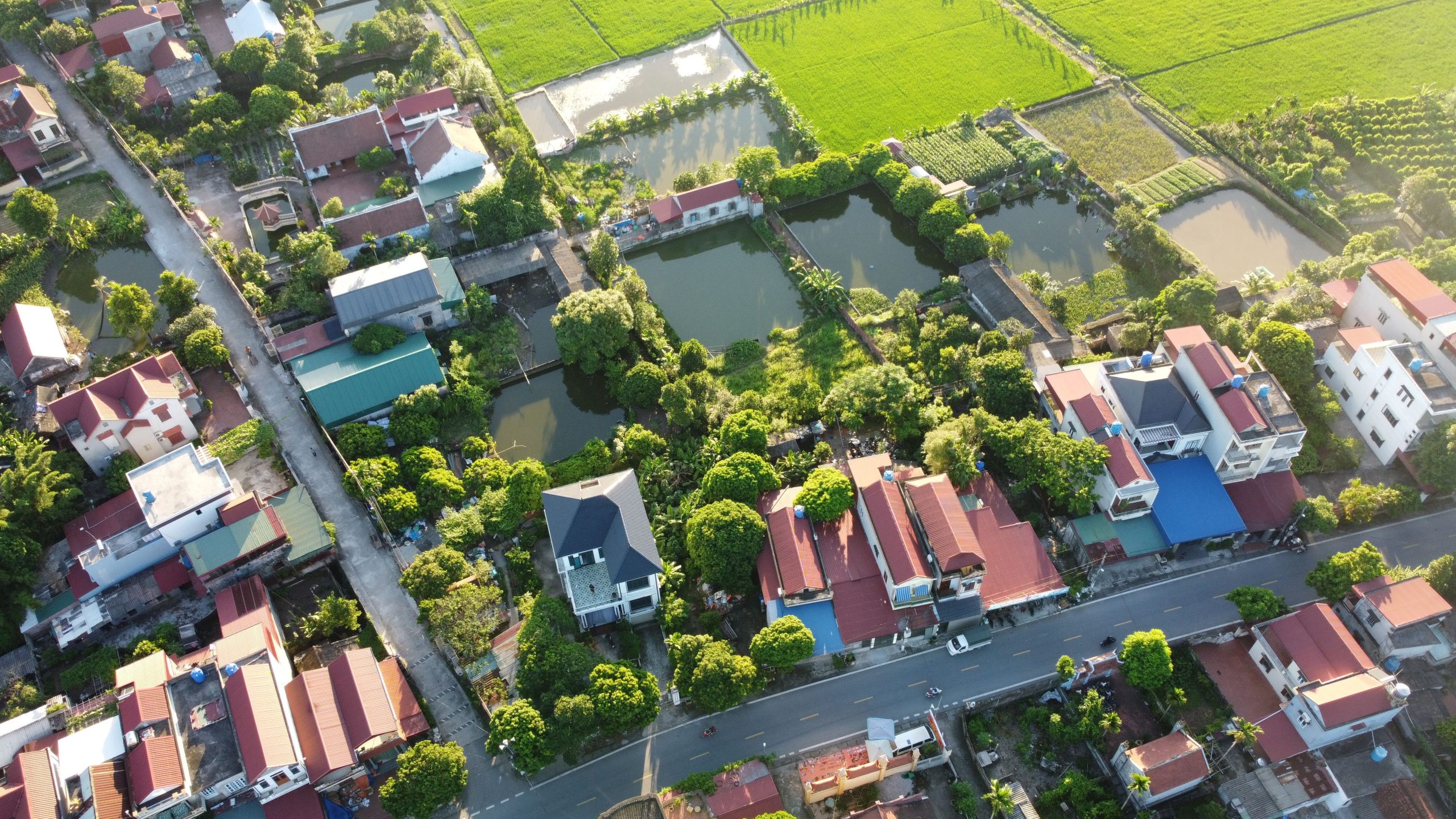
Southeast Asia is home to more than 650 million people spread across mainland and island nations with very different economies, climates and governance systems. Decisions made at the regional level, whether about trade, infrastructure, energy or urban planning, rarely stay abstract for long. They reach village markets, fishing harbours, housing estates and small businesses, often in ways that are visible only after several years. This article explains how regional developments work their way into local communities and what residents, businesses and local authorities can typically expect.
Table of Contents
- What Counts as a Regional Development
- Economic Integration and Local Livelihoods
- Urban Growth and Infrastructure
- Coastal and Fishing Communities
- Local Markets and Everyday Commerce
- Water-Based Settlements and Climate Pressure
- Policy Shifts and Political Context
- Comparing Regional Developments and Local Effects
- How Communities Respond
- Looking Ahead
What Counts as a Regional Development
A regional development is any change that affects several countries or a whole sub-region at once. Some are formal agreements, such as trade rules or energy grid links. Others are looser trends, such as migration between neighbouring countries or the spread of digital payments. Because these changes cross borders, their local effects often differ from one town to the next. The same trade agreement can lift incomes in a port city while putting pressure on a small farming district that competes with cheaper imports.
Analysts commonly group these developments into a few broad categories:
- Economic integration, including trade, investment and labour mobility
- Infrastructure and connectivity, such as roads, ports and power networks
- Urbanisation and housing demand
- Environmental and climate-related risks
- Policy and governance changes at national and sub-national levels
Economic Integration and Local Livelihoods
Economic integration is one of the most direct channels through which regional change reaches communities. Lower barriers to trade can open new markets for local producers, while also exposing them to competition. The ASEAN Community Vision 2045 describes a region with stronger linkages through sustainable infrastructure, efficient logistics and cross-border flows of information, and it frames these as tools for widening the benefits of growth. Whether those benefits reach a given village depends on local skills, access to credit and the quality of nearby roads and utilities.
In practice, communities usually feel integration in a few ways:
- New buyers for agricultural and craft products, sometimes through regional supply chains
- Greater competition from imported goods and services
- Migration of workers to neighbouring countries or to larger cities
- Changes in the price of basic goods such as fuel, rice and building materials
Outcomes are not uniform. Households with savings, transport options or digital access tend to adapt more quickly than those without them, which is why local programmes in training and infrastructure often matter as much as the regional agreement itself.
Urban Growth and Infrastructure
Rapid urban expansion is one of the most visible regional trends. Cities grow outward as people move in search of work, and river corridors, highways and new housing estates reshape how neighbourhoods connect. The aerial view below shows how a major Southeast Asian capital can be divided by water, transport routes and residential districts, each with its own pattern of access to jobs and services.
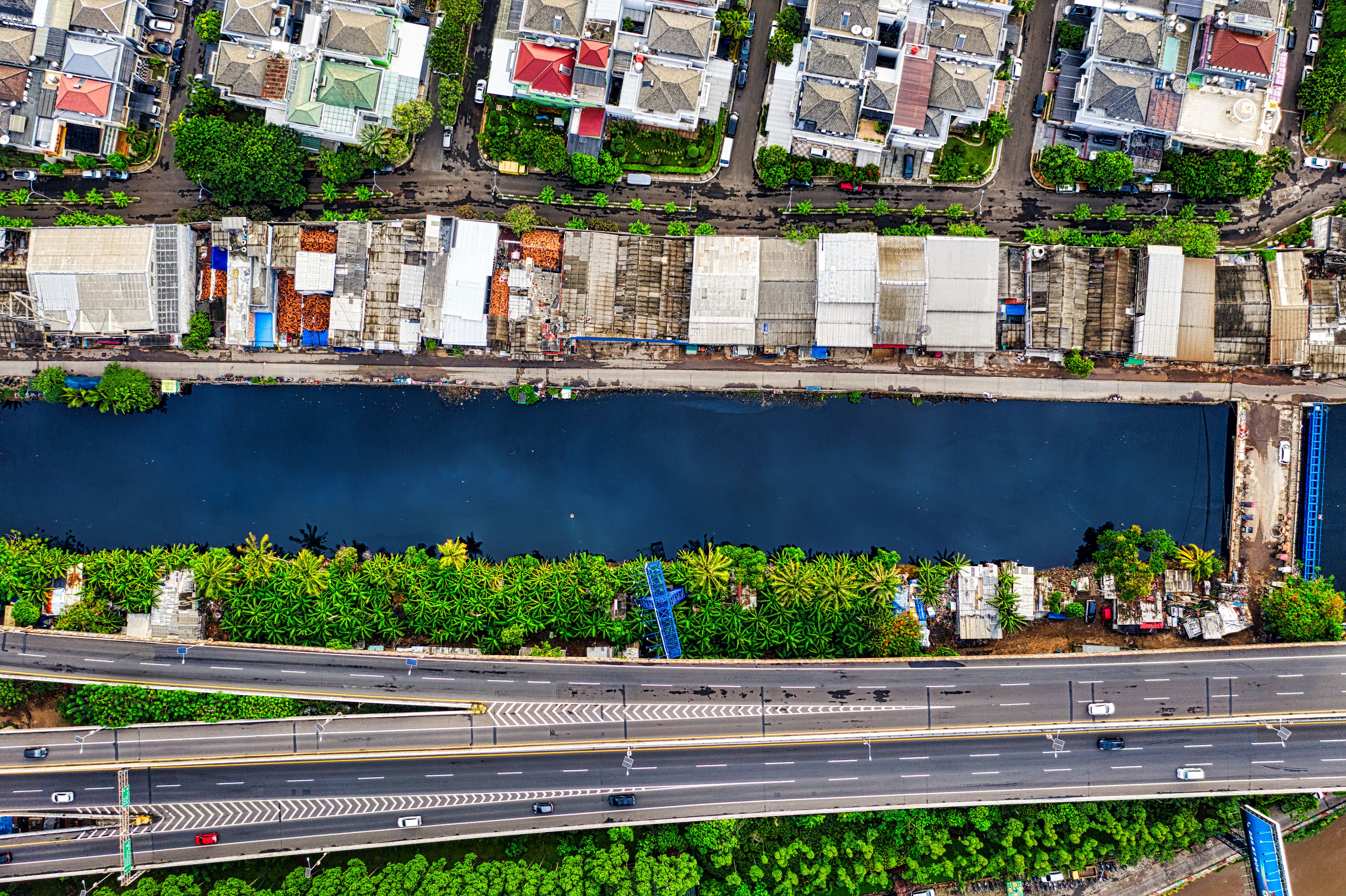
A World Bank report on cities in East Asia and the Pacific notes that infrastructure, jobs and services have not always expanded as quickly as urban populations. The report recommends integrated urban planning, affordable housing and stronger local governance as ways to connect residents with opportunity. For communities, the practical effects can include:
- Higher commuting costs for residents living far from employment centres
- Pressure on housing prices and rents in well-connected districts
- Improved access to schools and clinics where new transport links are built
- Greater flood exposure in low-lying areas where construction is dense
Coastal and Fishing Communities
Coastal villages are shaped by regional trade routes, fisheries rules and shifts in ocean conditions. Regional agreements on fishing practices, port upgrades and seafood exports can open new markets, but they can also change how boats are equipped and when catches are landed. Small fishing households often have limited capacity to absorb those changes quickly, so local cooperatives, shared storage facilities and training programmes tend to play a large role in how well a community adjusts.
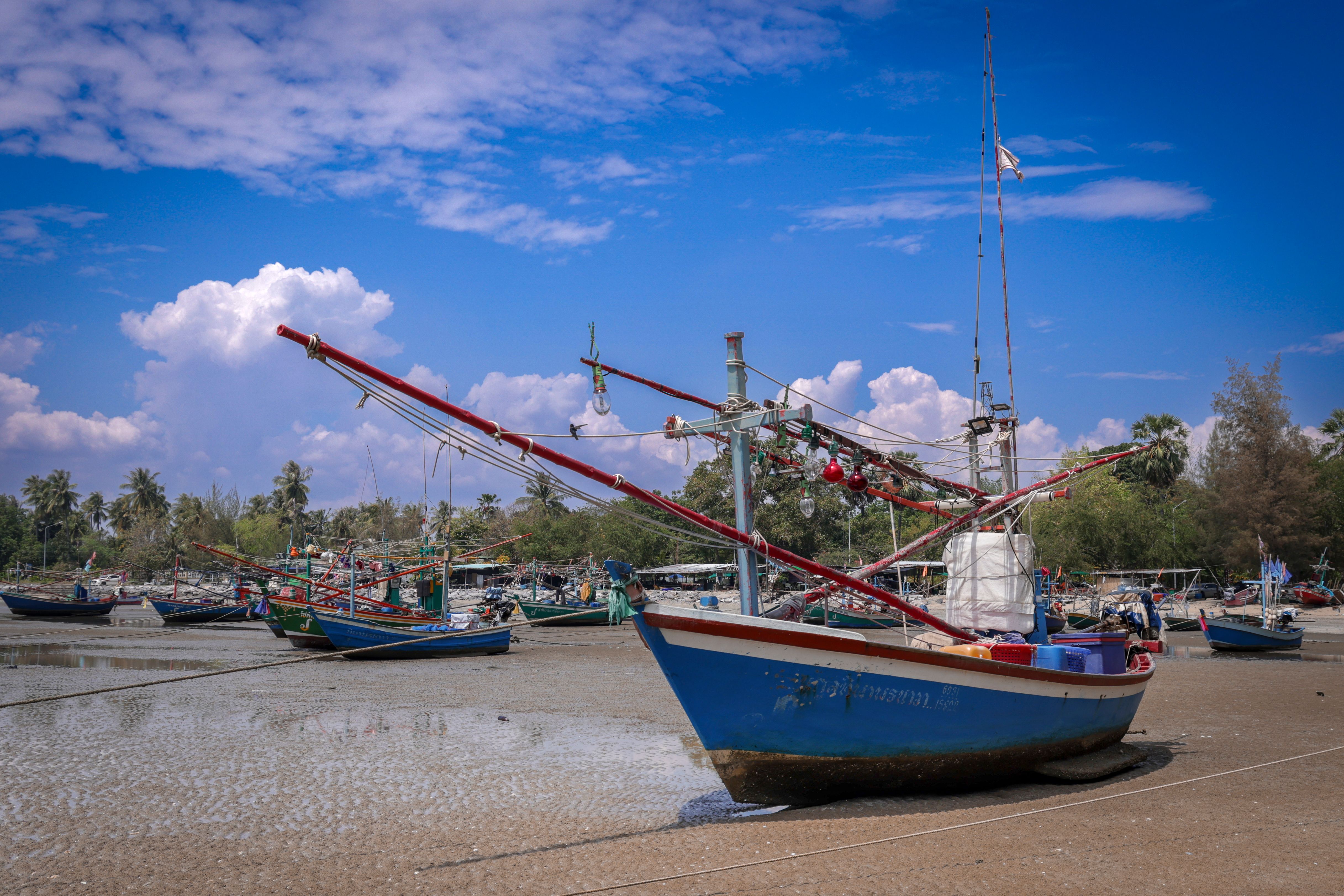
Communities in this situation often focus on a few priorities:
- Upgrading boats and storage to meet export or food safety standards
- Diversifying income through tourism, aquaculture or processing
- Strengthening cooperatives so that bargaining power is shared
- Monitoring marine resources to reduce long-term depletion
Local Markets and Everyday Commerce
Street markets are where regional change becomes most tangible for many households. Prices for imported vegetables, packaged goods and fuel shift with trade flows, and vendors adapt by changing suppliers, adding products or adjusting opening hours. Markets also serve as community hubs, where information about jobs, transport and local services circulates informally.
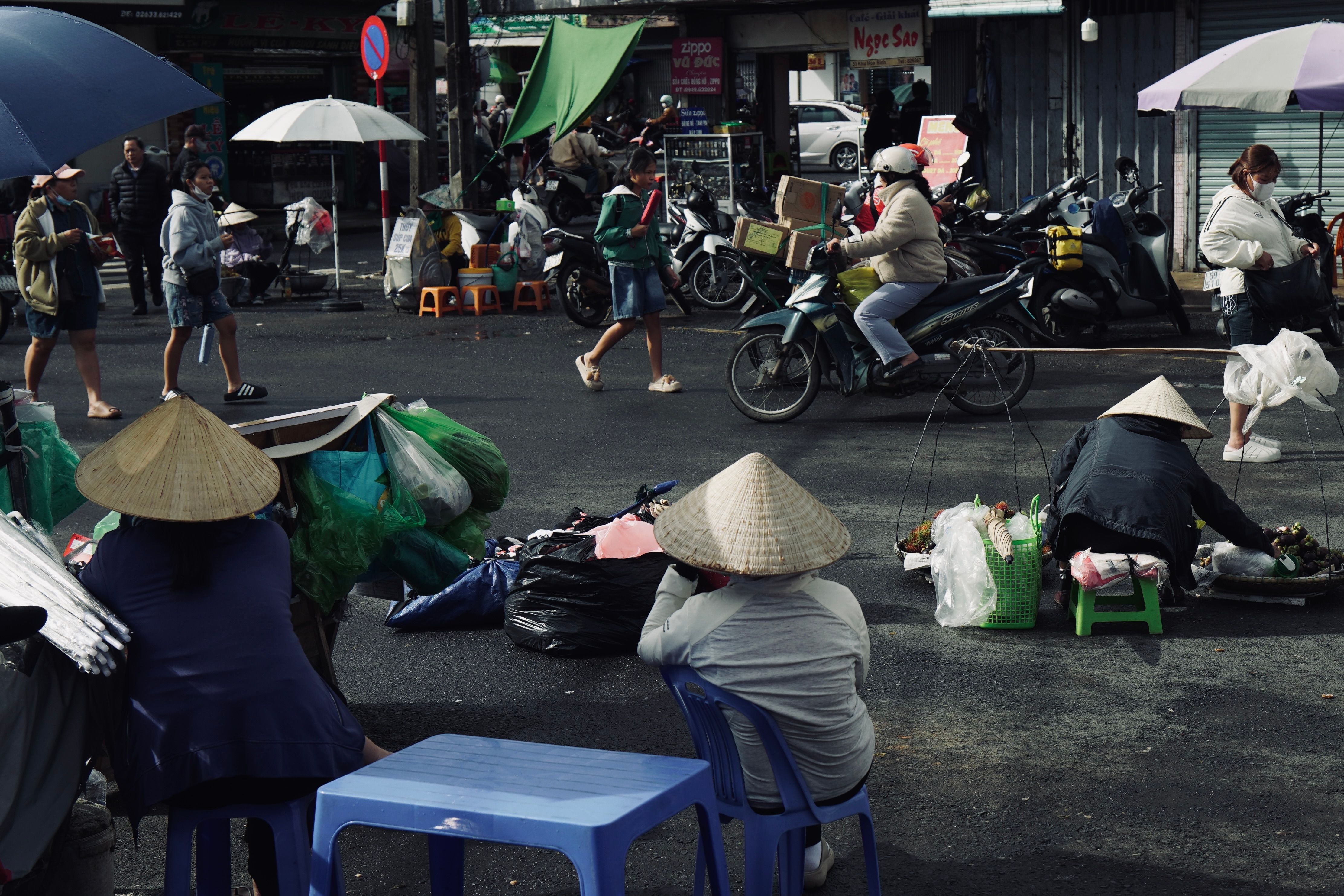
Small traders typically respond to regional change in several ways:
- Sourcing from cross-border suppliers when prices are more favourable
- Adopting mobile payment tools that are increasingly common in the region
- Forming vendor associations to negotiate stall fees and shared services
- Adjusting product lines to reflect changing tourist and resident demand
Water-Based Settlements and Climate Pressure
Many communities in the Mekong and other river basins live on or beside water, and their homes are adapted to seasonal flooding. Regional decisions on dams, river management and climate adaptation can alter water levels and sediment flows, which in turn affect fishing, farming and housing. Residents of these settlements frequently combine traditional knowledge with newer forecasting tools to plan their movements and livelihoods.
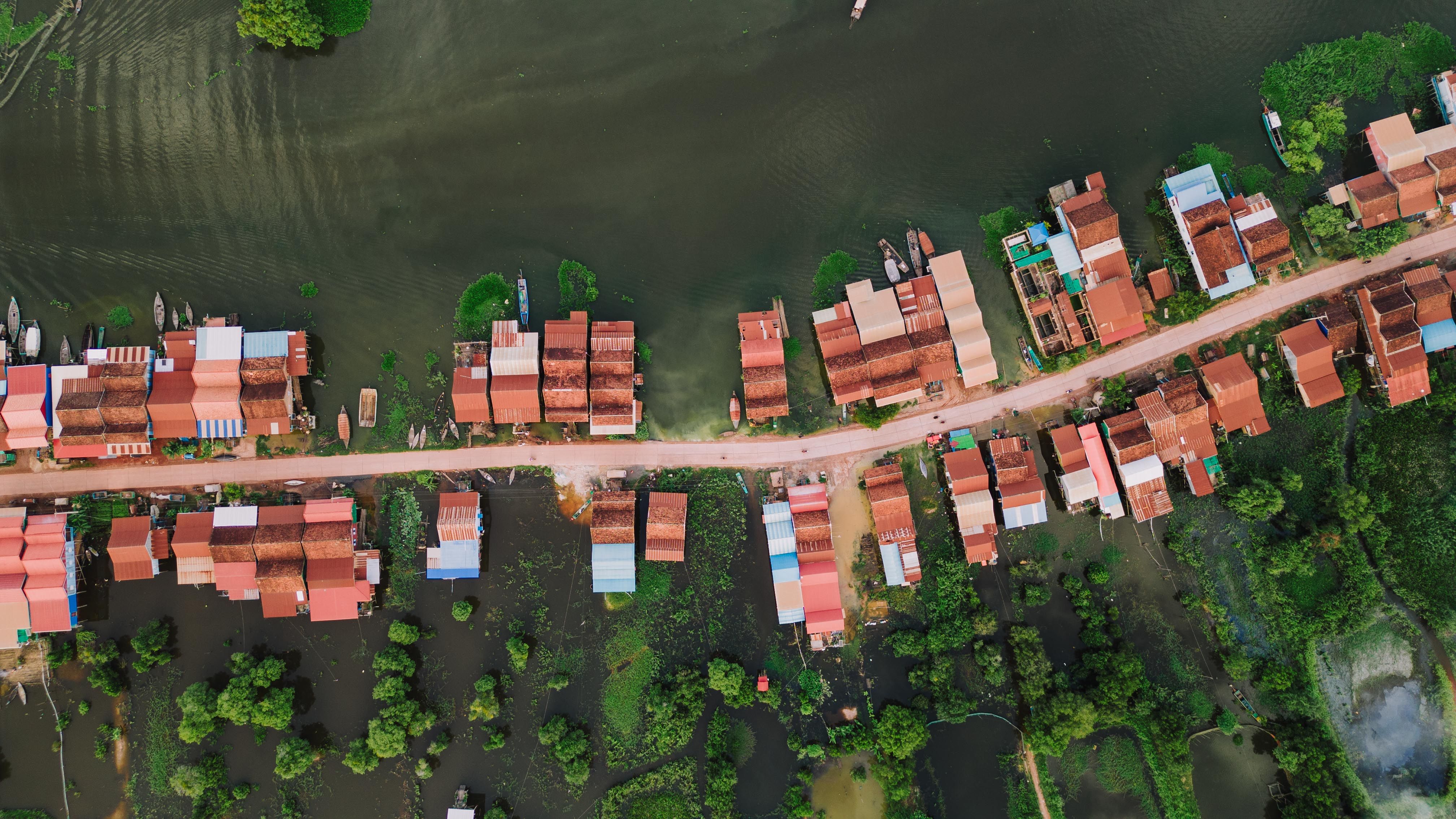
Planning for these settlements often involves early warning systems, flood-resistant housing and clear arrangements for relocation when it becomes necessary. The World Bank has noted that low-lying, flood-prone areas are often where the most vulnerable urban and rural households live, which makes climate-related planning a central part of regional development.
Policy Shifts and Political Context
Policy changes at the national level frequently interact with regional frameworks. Shifts in regional developments in Malaysia, for example, can influence investment priorities, labour rules and public spending in ways that filter down to states, districts and towns. Local communities usually experience these changes through budgets, licensing rules and the timing of public projects rather than through the policy text itself.
Because political conditions differ by country and by level of government, the same regional policy can produce different local outcomes. Residents and businesses that follow local council decisions, public consultations and published budgets are generally better placed to anticipate how changes will affect them.
Comparing Regional Developments and Local Effects
The table below summarises common regional developments, the local effects they tend to produce and the kinds of communities where those effects are often most visible. The entries are general patterns rather than fixed outcomes, and actual impacts depend on local conditions.
How Communities Respond
Across these examples, communities tend to respond through a mix of individual decisions and collective action. Households may change jobs, move to new areas or send members abroad for work. Collective responses often include cooperatives, neighbourhood associations and local government consultations. The most effective responses generally combine:
- Access to reliable information about upcoming projects and rules
- Skills training that matches emerging local and regional demand
- Financial tools such as savings groups, microcredit and insurance
- Participation in planning processes, so that local priorities are included
Looking Ahead
Regional developments in Southeast Asia will continue to reshape towns and villages as trade deepens, cities expand and climate pressures increase. The outcomes will not be the same everywhere. Local geography, governance and social networks determine how changes are absorbed, and communities that stay informed and involved are generally better positioned to benefit from new opportunities while managing the risks. Readers who want to follow these trends can start with official regional reports and the planning documents published by their own local councils.