
Solo travel can be wonderfully independent right up to the moment you want someone to share dinner with. The trick is choosing places where conversation has a reason to start: a guide telling a story, a dish everyone is trying, or a local event with a shared focus. These ten European cities offer plenty of those low-pressure openings. This is a practical shortlist, not a promise that strangers will become friends; your best odds come from joining an activity rather than waiting for a bar to do the work.
1. Lisbon: walk into the conversation
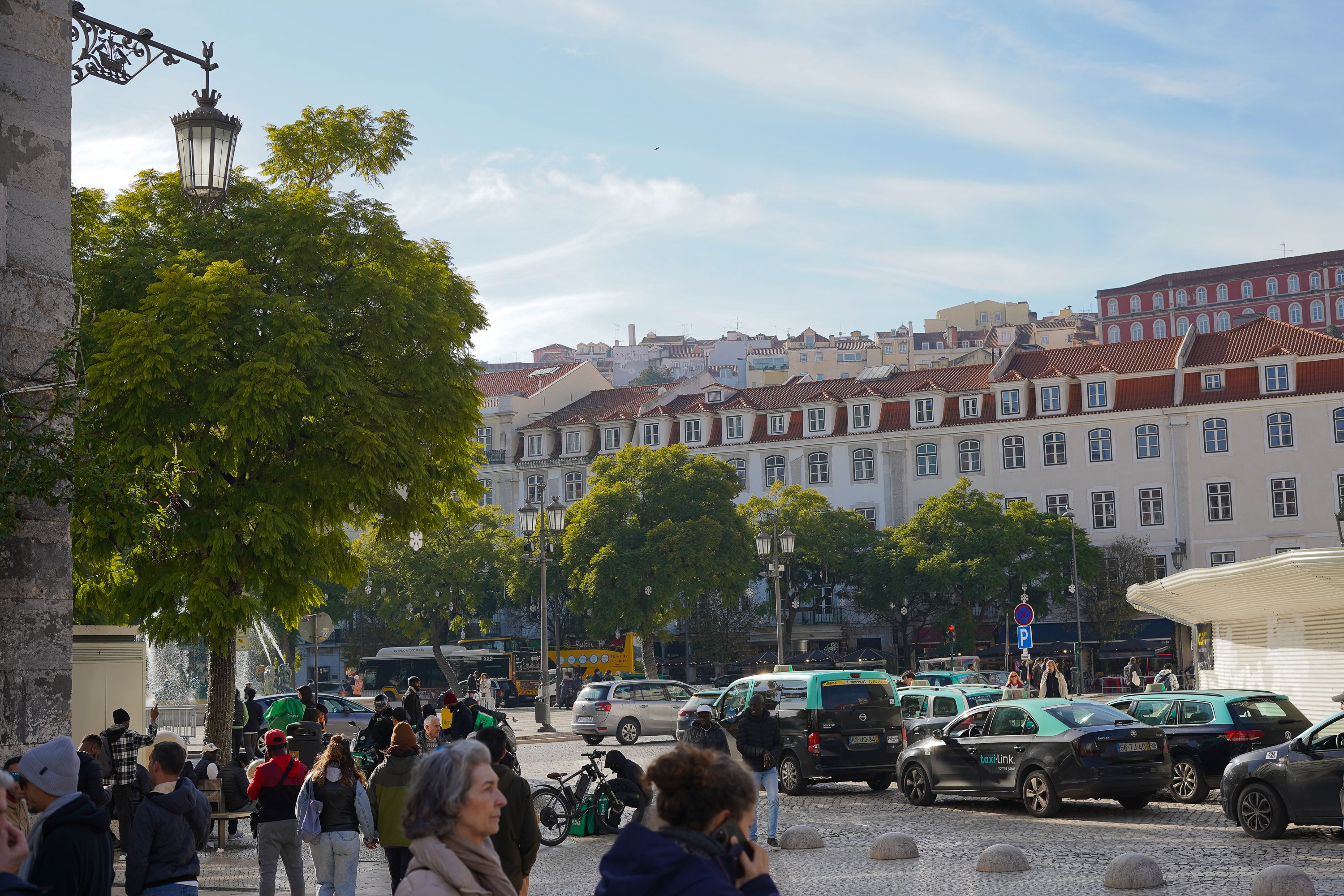
Lisbon is a strong first pick because the city is a pleasure to explore on foot, and a walking tour gives solo visitors an instant small group. Visit Lisboa lists an English- and Spanish-language tour that runs about two and a half to three and a half hours on a donation basis. Check the Lisbon walking tour details before you go, since schedules and arrangements can change. Afterward, suggest a coffee or a stroll to anyone who clicked with the same stories.
2. Porto: make food the icebreaker
Porto works best when you turn tasting into an activity, rather than treating dinner as a table for one. Book a small-group food walk, a cooking class, or a tasting where the guide can explain what is in the glass and on the plate. The subject keeps conversation moving even if nobody arrives with instant best-friend energy. Around Ribeira and the central streets, an unhurried café stop can extend a good group conversation without committing to a full night out.
3. Dublin: join the story, not just the pub crowd
Dublin has plenty of sociable pubs, but a pub is not automatically a social plan, especially if you do not drink. Look for a guided literary walk, live traditional music, a museum event, or a group excursion beyond the city. These give you something to talk about and a natural end point if the chemistry is not there. If you do go out, choose a busy, familiar venue and keep your own route back in mind.
4. Barcelona: share a neighborhood, not just a selfie

Barcelona’s markets, compact old quarters, and food culture create easy conversation starters. A market tour or a cooking class is more conducive to meeting people than drifting down a busy boulevard with headphones on. Try a small-group walk through El Born or the Gothic Quarter, then invite one or two people to find tapas nearby. The city rewards curiosity, but be patient: conversations tend to happen over a shared stop, not while everyone is racing between landmarks.
5. Berlin: find your Kiez
Berlin is less one social scene than a collection of neighborhood scenes. Pick a district and stay for a while: browse a weekend market, join a street-art walk, or attend a small gig or reading. Repeated visits to the same café or community space make it easier to become a familiar face than ticking off sights across the whole city. Berlin also fits well into a multi-city rail trip; our guide to traveling Germany by train covers the broader journey-planning side.
6. Copenhagen: do something together outdoors
Copenhagen suits travelers who would rather meet people while moving than make small talk across a loud table. Join a guided cycle tour, a harbor-side walk, or a food-focused visit to a market hall. A shared route gives you natural chances to talk in pairs, then regroup with everyone. If the weather turns, look for a workshop, live-music listing, or communal meal. The key is signing up for an activity where newcomers are expected, rather than trying to interrupt a tight-knit local group.
7. Amsterdam: let the calendar choose the room
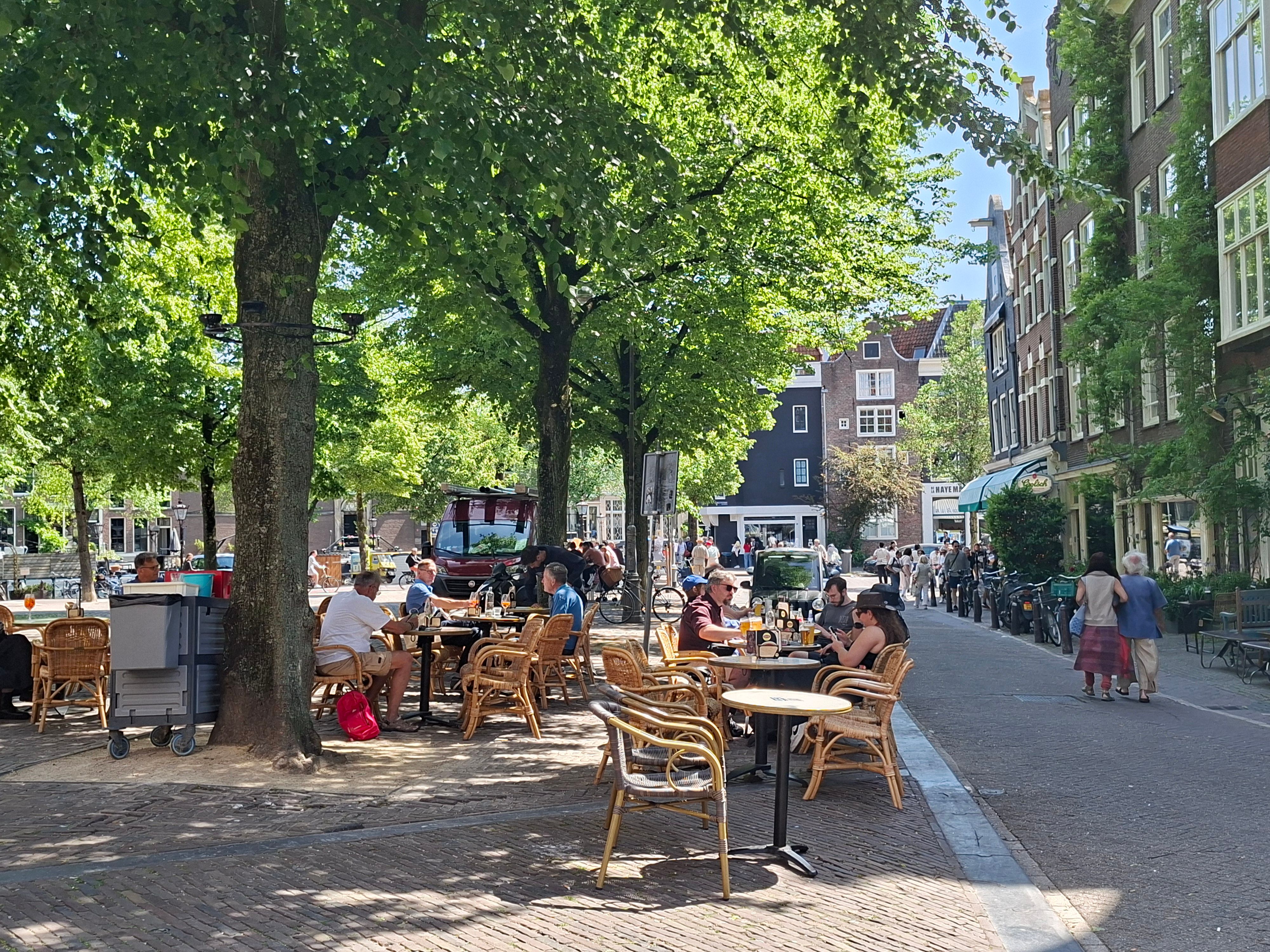
Amsterdam is easy to navigate, but its social advantage is the range of things happening beyond sightseeing. Look for a language exchange, an exhibition opening, a workshop, or a music event that matches your interests. The official Amsterdam cultural calendar lets you browse events by type and neighborhood, including listings marked as language-friendly. I would choose a small event over a huge club night: it is easier to talk when the activity, rather than volume, is doing the entertaining.
8. Budapest: choose a group experience before the nightlife
Budapest’s famous baths are a memorable solo outing, but they are not always the easiest place to meet someone new. For conversation, try a guided city walk, a tasting, or a group visit around the Jewish Quarter; you can always end the evening at a lively ruin bar if you want more bustle. A good sequence is daytime activity first, optional nightlife second. That way you meet people in a setting where everyone can hear one another before the music gets louder.
9. Edinburgh: follow a guide into the old closes
Edinburgh’s walkable center, dramatic lanes, and layered history are ideal for a guided walking tour, especially if you enjoy folklore, architecture, or literature. A guide supplies the stories; the group supplies the conversation during breaks. In festival season, look for smaller fringe performances or post-show discussions rather than assuming every event is a party. Outside peak season, a short day trip or a whisky-free tasting experience can give a solo traveler a shared plan without making the whole visit revolve around nightlife.
10. Prague: take the group tour, then stay for one more stop
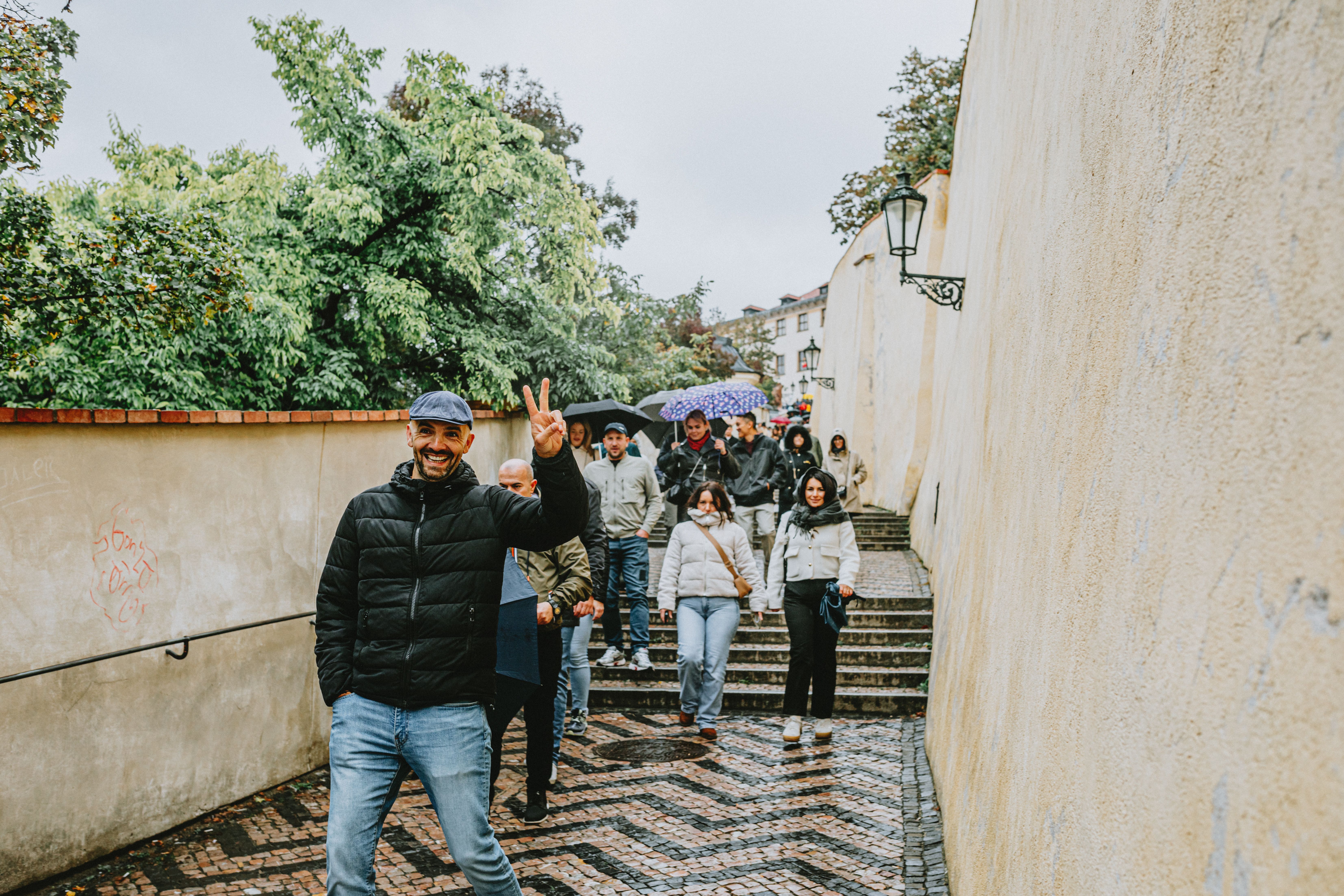
Prague’s historic center is beautiful but can feel like a stream of people moving in different directions. A small-group tour changes that: you share a route, hear the context behind the buildings, and can ask who else is heading for lunch afterward. Choose a theme you genuinely like, such as architecture, local food, or history, rather than joining the first tour you see. One extra coffee after the walk is often a better social bet than hoping to connect in a crowded square.
Make the first invitation easy
Across all ten cities, the most useful formula is simple: book one group activity early in the trip, then follow up with a specific, low-pressure invitation (“I’m getting coffee near the market at 3; want to join?”). Hostels can be brilliant for spontaneous company, and travelers who like their communal atmosphere should absolutely use them. They are not the only route, though; tours, classes, and public events work for people staying in private rooms too. For broader destination ideas, see our guide to places for a first trip to Europe.
Keep first meetups public, tell someone your plans when appropriate, and trust your own read of a situation. Wanting company does not mean you owe anyone more time or access. A different need calls for a different plan: if you are seeking paid adult companionship rather than new travel friends, you may come across services such as Louisa; check local rules, pricing, and boundaries independently before making arrangements.
The best city is ultimately the one where you are willing to show up twice: once for the activity, and again because you enjoyed the people. Choose a place that fits your interests, leave room for a repeat visit, and let friendship be a welcome possibility rather than another box to tick on the itinerary.