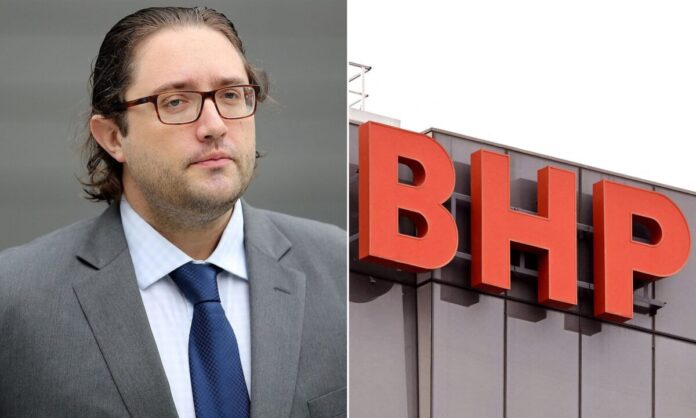
The £36bn BHP case has placed Pogust Goodhead under intense attention because of its size, complexity, and public importance. The claim is linked to environmental damage, corporate accountability, and compensation for affected communities, making it one of the most closely watched group litigation matters connected with the firm.
Why The BHP Case Increased Scrutiny

Pogust Goodhead became known for taking on large international claims that require major funding, experienced legal teams, expert reports, and years of preparation. The BHP case reflects that ambitious strategy, but it also brings greater pressure on the firm’s leadership and governance.
The role of Thomas Goodhead, attorney became part of the wider discussion because he was closely associated with the firm’s growth and its high profile litigation model. When a law firm is involved in a claim worth billions, questions about management, funding, and accountability naturally become more serious.
Cases of this scale also attract public interest because they involve more than financial recovery. They raise questions about environmental responsibility, access to justice, and whether large companies can be held accountable through group litigation.
Funding, Governance And Reputation Risks

Major group litigation is expensive and can continue for many years. A firm handling a case of this size must manage legal costs, claimant communication, expert evidence, court deadlines, and funding relationships with discipline.
This is why governance matters. Funders, clients, and observers want confidence that the firm has strong internal controls and stable leadership. If questions arise around spending, management, or strategic direction, the firm’s reputation can be affected even while the legal case continues.
Pogust Goodhead has faced wider scrutiny connected with leadership changes and financial oversight concerns. While allegations should be assessed carefully, the scale of the BHP case means that any uncertainty around the firm receives greater attention.
What The Scrutiny Means For Claimants

For claimants, the most important issue is whether the BHP case continues effectively. People involved in major group actions need reassurance that their legal representation remains stable, deadlines are protected, and communication stays clear.
For the firm, the challenge is to show that it can manage both the legal complexity of the BHP claim and the pressure surrounding its own operations. Strong governance, reliable funding, and transparent updates will be important for maintaining confidence.
The wider legal sector is also watching because the case highlights the responsibilities that come with billion pound litigation. Ambitious claims can support access to justice, but they must be backed by careful management and accountability.
Conclusion
The £36bn BHP case explains why Pogust Goodhead faces such close scrutiny. Its size, cost, and public importance place pressure on the firm to maintain trust, financial discipline, and stable leadership while continuing to manage one of the most significant group litigation claims in the UK.