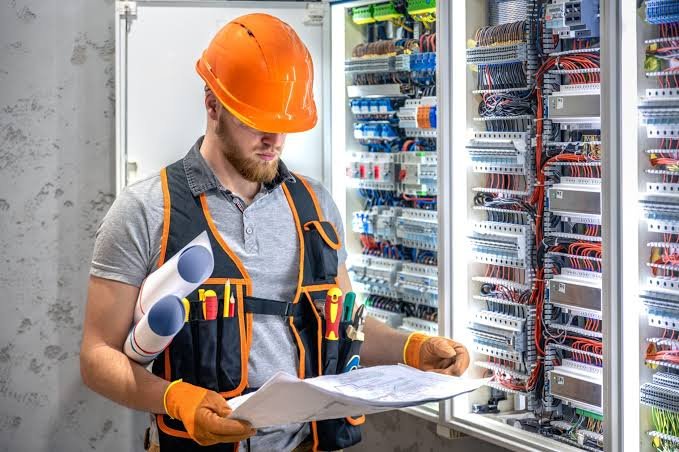
Reliable energy infrastructure depends on much more than selecting suitable transformers, cables, and switchgear. Every project requires detailed planning, technical studies, coordinated design, regulatory compliance, safe construction, and effective commissioning.
Electrical engineering services bring these elements together across substations, transmission networks, renewable energy facilities, battery storage systems, and industrial power installations. Early engineering input can reduce technical risks and help prevent delays, redesign work, and equipment failures.
Turning Project Requirements Into a Practical Design
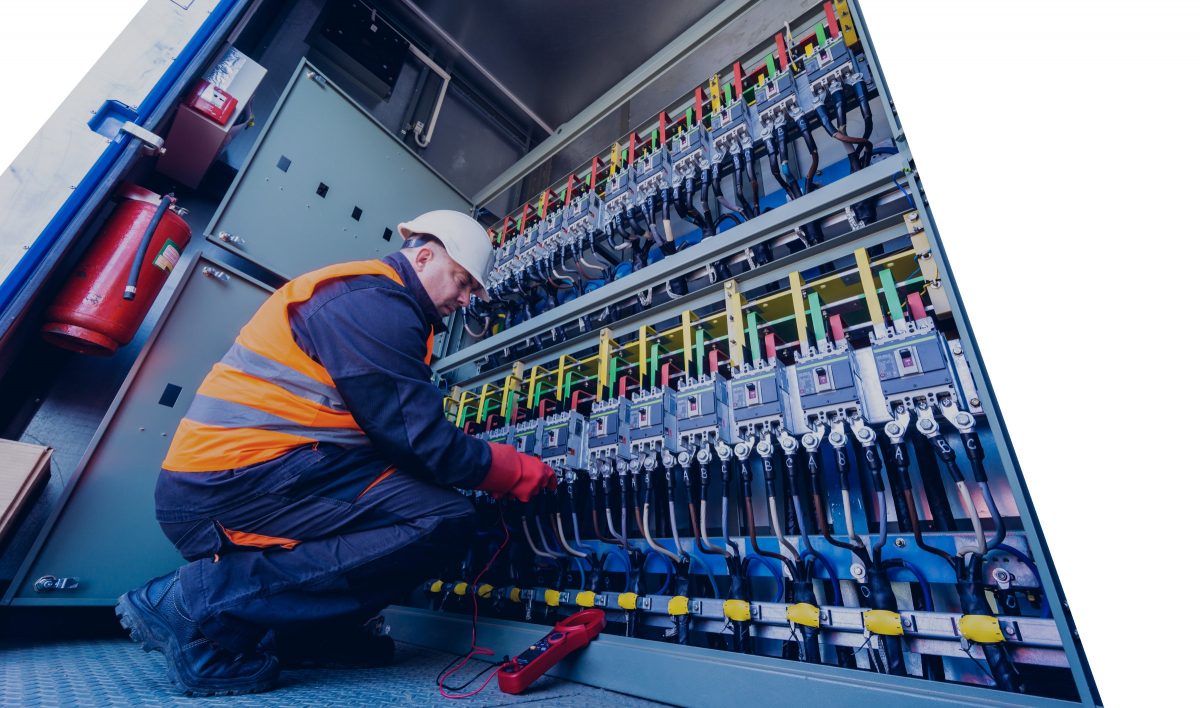
Engineering begins by defining the project’s purpose, expected load, voltage levels, site conditions, reliability targets, and future expansion requirements. These details form the basis for equipment selection and the overall network arrangement.
Technical studies may include load-flow analysis, fault-level calculations, protection coordination, earthing design, insulation coordination, and power-quality assessments. The results help engineers determine how the proposed infrastructure will perform during normal operation and abnormal conditions.
For a power grid firm that can potentially help provide a solution, visit this page to communicate civil engineering projects and more. Involving a multidisciplinary team can improve coordination between electrical equipment, foundations, access roads, drainage, structures, and underground services.
Design documentation may include single-line diagrams, layouts, cable schedules, equipment specifications, control schematics, and construction drawings. Clear documents reduce uncertainty during procurement and installation.
Improving Safety, Reliability and Regulatory Compliance

Electrical infrastructure must operate safely under normal loads, switching events, equipment failures, and network faults. Engineers specify protection systems that detect abnormal conditions and disconnect only the affected section as quickly as practical.
An effective earthing system provides a controlled path for fault current and helps limit dangerous touch and step voltages. Its design depends on soil conditions, fault levels, equipment positions, and the arrangement of metallic structures.
Reliability can be improved through redundant equipment, alternative supply paths, sectionalised networks, and backup control power. The appropriate level of redundancy depends on the importance of the connected loads and the consequences of an outage.
Engineering teams also interpret applicable technical standards, network requirements, environmental conditions, and safety obligations. Addressing these requirements during design is generally more efficient than modifying installed equipment later.
Supporting Construction, Testing and Commissioning
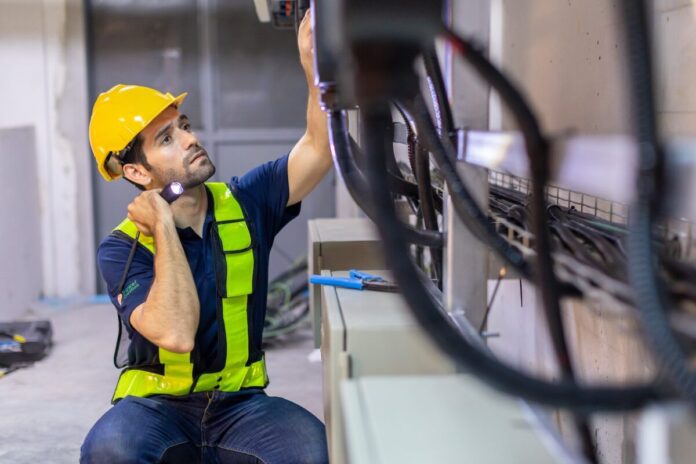
Engineering services continue after the design drawings are issued. Technical support during procurement helps confirm that proposed equipment meets the specified ratings, performance requirements, and interface conditions.
During construction, engineers respond to site questions, review proposed changes, inspect critical work, and resolve conflicts between disciplines. Design modifications should be documented so that the final records accurately represent the installed infrastructure.
Testing and commissioning verify that individual components and complete systems function as intended. Activities may include cable testing, transformer checks, relay testing, control-system verification, communication testing, and confirmation of circuit-breaker operation.
Protection settings must be checked before energisation to ensure that devices respond correctly to faults. Functional tests also confirm that alarms, interlocks, remote controls, and emergency systems operate in the required sequence.
Accurate commissioning reports and as-built drawings provide a reliable reference for operators and maintenance teams. These records support future troubleshooting, equipment replacement, network expansion, and compliance reviews.
Conclusion
Electrical engineering services help deliver reliable energy infrastructure by converting project requirements into coordinated designs, managing safety risks, and supporting construction through to energisation.
When electrical, civil, structural, protection, and control requirements are considered together, projects are better prepared for dependable operation. Thorough studies, clear documentation, and disciplined commissioning can protect people, equipment, schedules, and long-term investment.